What is a CAN Filter? An Automotive Technical Guide
The sophisticated electronics in today''s vehicles can seem like a black box, especially when it comes to how mileage is tracked across numerous control units...
The sophisticated electronics in today's vehicles can seem like a black box, especially when it comes to how mileage is tracked across numerous control units. This complexity creates a significant challenge for anyone needing to conduct performance tests or transport a vehicle without adding to its odometer. If you've ever worried about third-party devices damaging your car or been unsure about the right tool for the job, you are not alone. This is where a high-quality can filter, also known as a mileage blocker, provides a smart, targeted solution.
In this comprehensive guide, we will demystify the CAN bus system and explain exactly how mileage data is communicated and stored. You will learn the crucial difference between a preventative mileage blocker and illegal odometer rollback tools, ensuring you make an informed decision. Our goal is to provide you with the technical knowledge to confidently choose a reliable, untraceable device that allows for vehicle testing while protecting your investment and guaranteeing it causes no harm to your vehicle’s electronic systems.
Decoding the CAN Bus: Your Car’s Central Nervous System
When searching for a can filter, it's essential to distinguish between the advanced electronic module for vehicle diagnostics and a common component like an engine air filter. We are focused on the former—a device that interacts with your car’s sophisticated internal network. To understand its function, you must first understand this network: the Controller Area Network.
Think of the Controller Area Network as your vehicle's central nervous system. It’s a high-speed, internal communications network that allows all the different electronic modules to talk to each other without needing a complex, dedicated wiring harness for every single component. This robust vehicle bus standard, known as the CAN bus, allows all these modules to exchange critical data in real-time. This constant stream of information includes:
- Vehicle Speed
- Engine RPM
- Transmission Status
- Brake Pedal Position
- Mileage and Trip Data
This seamless communication is what enables the complex features of modern vehicles, from advanced driver-assistance systems to accurate performance monitoring.
What is an ECU (Electronic Control Unit)?
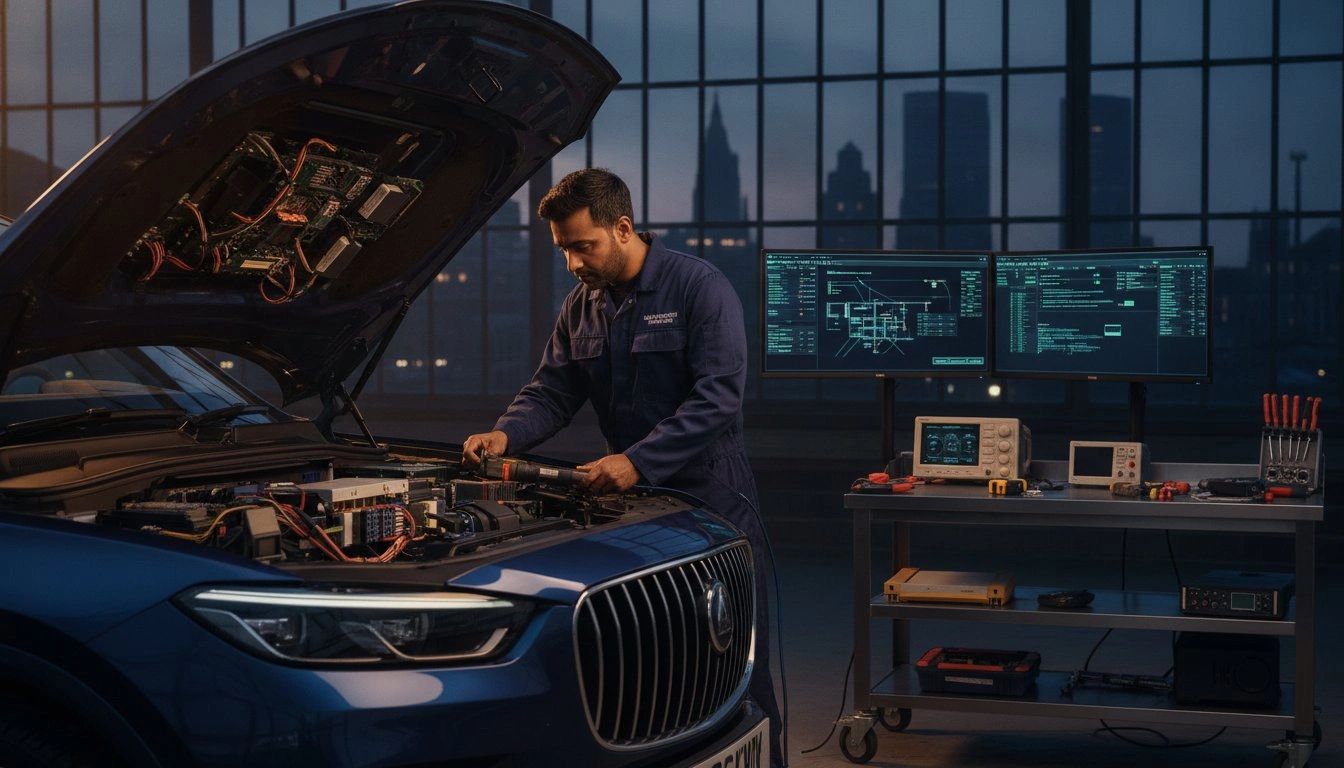
An Electronic Control Unit (ECU) is a small, dedicated computer—or 'brain'—that controls a specific function or system within your vehicle. A modern car can have over 100 ECUs, each managing a different task. Key examples include the Engine Control Module (ECM), Anti-lock Braking System (ABS), and the instrument cluster. Crucially for our topic, mileage data is not just stored on the odometer; it is recorded and synchronized across multiple ECUs to create redundancy and prevent tampering.
How Mileage is Recorded on the CAN Bus
The process of recording mileage is a perfect example of the CAN bus in action. It begins when wheel speed sensors generate data based on tire rotation. This raw data is then broadcast as a digital message across the entire network. The instrument cluster 'listens' for this specific message to calculate the distance traveled and update the odometer display. Simultaneously, other ECUs—like the engine, transmission, and ABS modules—also receive and store this mileage data in their own memory. This distributed data system is precisely what a can filter is designed to manage during vehicle testing or off-road use.
What is an Automotive CAN Filter and How Does it Work?
At its core, an automotive CAN filter is a small, intelligent electronic module designed to integrate seamlessly with a vehicle's Controller Area Network (CAN bus). Its primary purpose is to intercept and selectively manage the data packets that flow between various Electronic Control Units (ECUs). Unlike a firewall that blocks all traffic, this device is programmed to allow the vast majority of data to pass through uninterrupted, targeting only very specific messages for filtration.
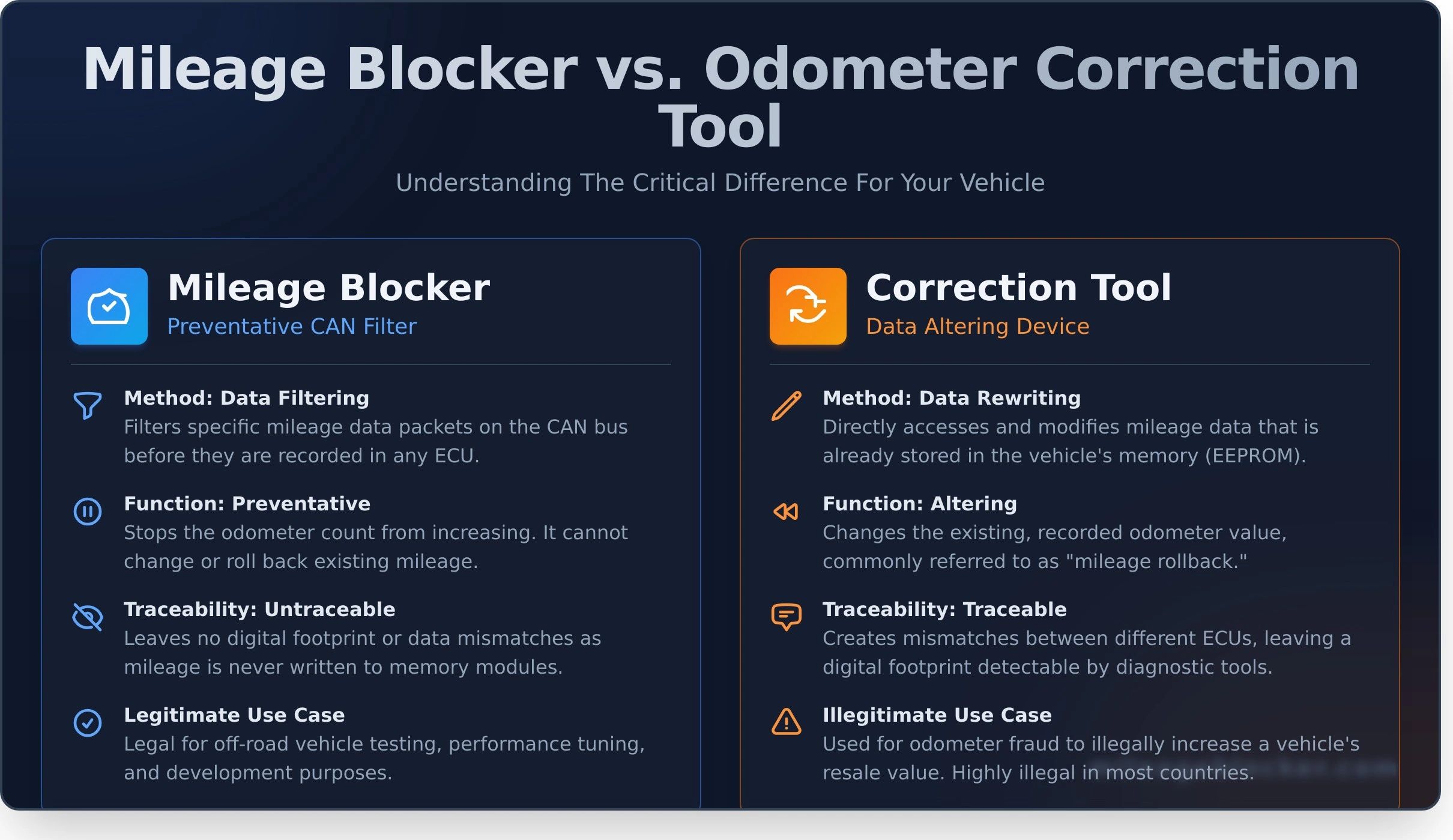
In its most common application, the module functions as a Mileage Blocker or Stopper. It is a preventative tool, specifically engineered to halt the recording of new mileage data during vehicle testing or off-road use. It is crucial to understand that this is not a mileage correction or rollback tool; it cannot alter existing, recorded odometer values. Instead, it simply stops the count from increasing while the device is active.
The Data Filtering Process
Every function in a modern vehicle, from the engine's RPM to the status of the turn signals, is broadcast as a unique data packet across the CAN bus. For a deep dive into the technicalities of this system, Texas Instruments' Introduction to CAN provides an excellent overview. A CAN filter is pre-programmed with the specific ID of the mileage data packet for a particular vehicle model. As data flows through it, the module identifies this mileage packet and simply stops it from reaching its destinations—primarily the instrument cluster (odometer) and other ECUs that store mileage data for synchronization. All other critical data packets continue to pass through without interference, ensuring that vital systems remain fully functional:
- Speedometer and tachometer readings
- Cruise control and driver-assist systems
- Turn signals and warning lights
- Engine and transmission performance data
Installation: A Non-Invasive Solution
Premium quality blockers are designed for simple, non-invasive installation. They are typically installed behind the instrument cluster or dashboard using a plug-and-play approach. These modules feature genuine, automotive-grade connectors that mate perfectly with the vehicle’s existing plugs. This design is critical because it means no wires need to be cut, spliced, or modified in any way. The vehicle's original wiring harness remains completely intact, preserving its integrity and avoiding potential electronic issues or warranty complications.
Why is This Method 'Untraceable'?
The "untraceable" nature of a high-quality mileage blocker lies in its preventative function. The device filters mileage data before it can be permanently recorded in any of the vehicle's ECUs or EEPROM memory modules. This is the fundamental difference between a blocker and a mileage correction tool. Correction tools, often called "odometer rollback" devices, attempt to alter data that has already been stored, a process that almost always leaves a digital footprint or creates data mismatches between different modules. Because a blocker prevents the data from ever being written, there are no inconsistencies for diagnostic tools to find. When the device is removed, the vehicle's systems are in the exact state they were in before it was installed, leaving no trace of its use.
Mileage Blocker (CAN Filter) vs. Mileage Correction Tools
In the world of automotive electronics, the terms "Mileage Blocker" and "Mileage Correction Tool" are often used interchangeably, but they represent fundamentally different technologies with distinct purposes and significant legal implications. Understanding this difference is crucial for any vehicle owner or technician seeking a solution for vehicle testing or off-road use.
The core distinction lies in their method of operation:
- Mileage Blockers (CAN Filters): These devices prevent new mileage from being recorded. They are installed on the vehicle's communication network (CAN bus) and filter out the data packets responsible for counting distance. The process is active only when the device is turned on.
- Mileage Correction Tools: These tools are designed to alter existing mileage data. They connect to the vehicle, usually via the OBD-II port, and rewrite the stored values in various electronic control units (ECUs)—a process often called an odometer rollback.
The Flaws of Mileage Correction ('Rollback') Tools
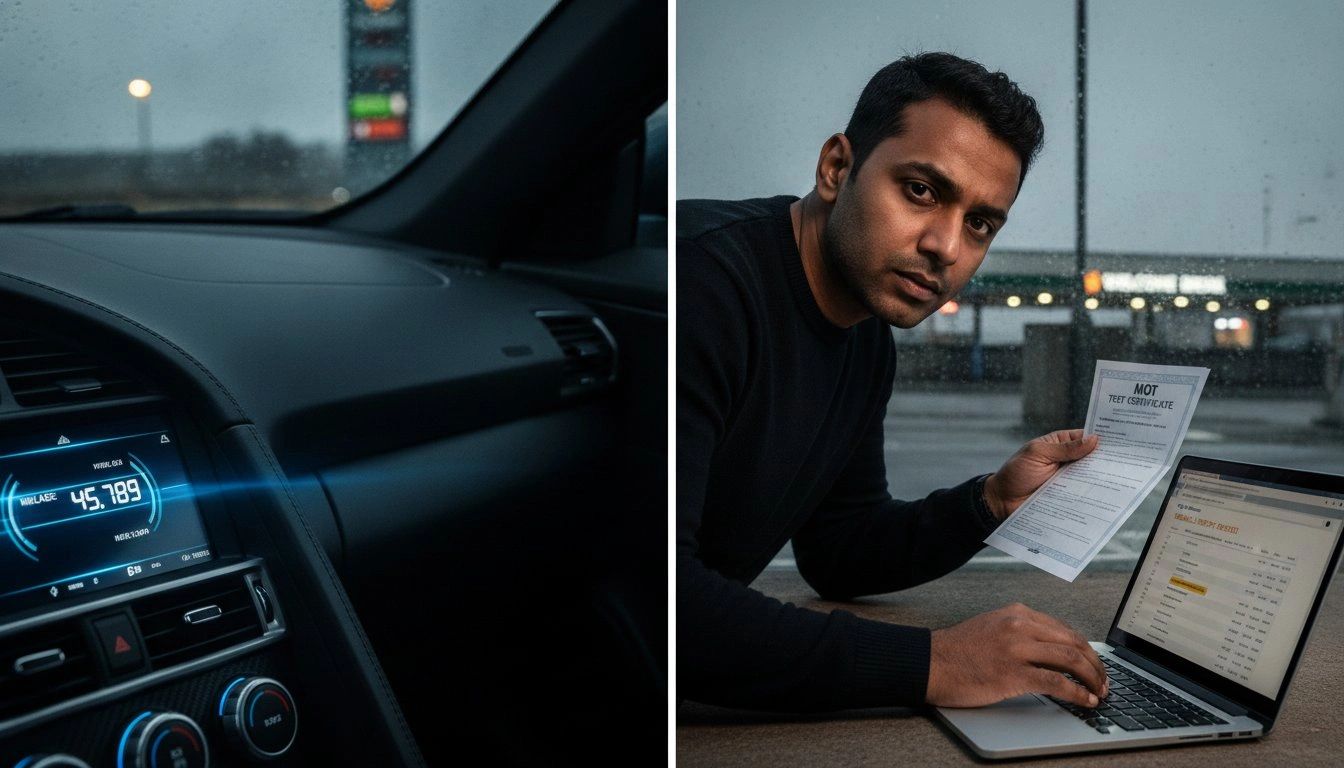
Mileage correction tools are highly problematic and widely considered unethical and illegal for on-road vehicles. These devices directly tamper with the stored data in a vehicle's EEPROM memories, an invasive process that often leaves a digital footprint detectable by advanced diagnostic equipment. This crude manipulation, as highlighted in research on CAN Bus Protocol Exploits, can create software conflicts and system errors. Selling a vehicle with a fraudulently altered odometer is a serious offense in most jurisdictions.
The Superiority of a CAN Filter Approach
A high-quality can filter operates on a far more sophisticated and non-invasive principle. It doesn't alter existing data; it simply intercepts and filters out mileage-related data packets in real-time before they are stored. This superior method ensures that no trace of alteration is left behind and, crucially, does not conflict with other ECU modules or trigger diagnostic trouble codes. This makes it the only reliable solution for legitimate purposes, such as vehicle testing, tuning, and development, where accurate mileage recording is not desired. It is a preventative tool, not a tool for deception. Explore our premium quality Mileage Blockers.
Legitimate Uses and How to Choose a Quality CAN Filter
While the functionality of a CAN filter is powerful, its application is intended for specific, ethical purposes. Using this device on public roads to deceive a potential buyer is illegal and unethical. However, in controlled environments, it serves as an invaluable tool for automotive professionals and enthusiasts. Understanding these legitimate uses is the first step; the second is knowing how to select a high-quality device that performs reliably without compromising your vehicle's complex electronic systems.
The primary purpose of a mileage blocker is to temporarily halt the mileage recording process during vehicle testing and development. This is crucial in several scenarios:
- Dynamometer (Dyno) Testing: When tuning an engine or testing performance modifications, a vehicle can accumulate significant mileage while stationary. A CAN filter prevents this non-driving mileage from being added to the odometer.
- Off-Road Vehicle Use: For vehicles used exclusively on private land or race tracks, mileage accumulation is often irrelevant and can devalue the asset unnecessarily.
- Research & Development: Manufacturers, dealerships, and tuning shops use these devices to test vehicle functions and electronics extensively without affecting the vehicle's official mileage reading before it is sold.
Key Features of a Premium CAN Filter
Not all mileage blockers are created equal. A premium-grade device is an investment in your vehicle's safety and longevity. When selecting a quality can filter, look for these indicators of superior engineering:
- Genuine, Automotive-Grade Components: High-quality microprocessors and circuitry ensure the device operates flawlessly and withstands the demanding automotive environment without causing errors in ECU modules.
- Advanced, Updatable Software: The device's software should be developed by experts and regularly updated to maintain compatibility with modern vehicle systems and ensure an untraceable effect.
- OEM Connectors: Using original plug-and-play connectors guarantees a perfect, secure fit without any need to cut or solder wires, preserving your vehicle's warranty and integrity.
- Simple User Interface: A well-designed module allows for easy activation and deactivation, often using existing steering wheel buttons, for a seamless user experience.
What to Avoid When Buying
The market is flooded with low-quality clones that can pose a significant risk to your vehicle. Be cautious and avoid devices with the following red flags:
- Cheaply Made Clones: Unreliable knock-offs from questionable sources often use inferior components that can fail, corrupt vehicle data, or even create a fire hazard.
- Intrusive Installation: Any device that requires cutting, splicing, or soldering wires should be avoided. This type of installation is permanent, voids warranties, and is difficult to reverse.
- Sellers Marketing for Illegal Use: Reputable vendors will be clear about the intended use for testing and off-road purposes only. Avoid sellers who encourage or facilitate odometer fraud.
- Lack of Support or Warranty: A professional company will stand behind its product with a solid warranty and accessible customer support to assist with installation and troubleshooting.
Choosing the right device is critical. By prioritizing products built with premium components and sold by a reputable supplier, you ensure the tool functions as intended for legitimate testing scenarios. For a selection of professionally engineered solutions, explore the products at Mileageblocker.com.
Frequently Asked Questions About CAN Filters (Mileage Blockers)
When considering a sophisticated automotive tool like a CAN filter, it's natural to have questions about its legality, function, and compatibility. We believe in providing clear, direct answers to help you make an informed decision. Below, we address the most common concerns with the technical authority you expect.
Is Using a Mileage Blocker Legal?
The device itself is 100% legal to purchase, own, and install. Its intended and legitimate purpose is for use in controlled environments, such as for vehicle testing, dynamometer tuning, or off-road applications where mileage accumulation is not relevant. However, it is critical to understand that using a mileage blocker to deceive a potential buyer about a vehicle's true mileage is fraudulent and illegal in most jurisdictions. We supply this tool for ethical and legal use only.
Will it Affect My Car's Performance or Warranty?
No, a premium quality blocker will not impact your vehicle's performance or operational safety. Our modules are engineered to selectively filter mileage data packets on the CAN bus without interfering with critical systems like the ECU, ABS, or transmission control modules. Because the installation is non-invasive—using genuine plug-and-play connectors—and the effect is completely untraceable by diagnostic tools, it should not affect your vehicle's warranty. For absolute peace of mind, the device can be easily removed before a service visit.
How Do I Know Which Blocker is Right for My Car?
Modern vehicles utilize highly specific communication protocols and software. A one-size-fits-all approach does not work, which is why each can filter is programmed specifically for the make, model, and year of the vehicle it's designed for. This ensures flawless integration and reliable performance. To ensure you get the correct module, you must select your exact vehicle from our comprehensive database.
Find the perfect Mileage Blocker for your vehicle now.
The Smart Solution for CAN Bus Control
Understanding your vehicle's CAN bus is the first step toward managing its complex electronic data. As we've explored, a high-quality can filter provides a sophisticated method for halting the mileage recording process across all electronic control units, a function fundamentally different from fraudulent mileage correction tools. This preventative approach is designed specifically for legitimate purposes, such as vehicle testing, tuning, or off-road use, where accurate data control is essential.
When your objective requires a reliable and discreet solution, the quality of the device is paramount. Our modules are engineered to the highest standards, made from premium quality, genuine automotive-grade components to ensure flawless performance. They guarantee a completely untraceable effect for diagnostic tools and feature a simple plug-and-play installation with OEM connectors, requiring no advanced technical skills.
Equip your vehicle with the market-leading technology designed for professionals. Shop for Premium, Untraceable Mileage Blockers and take control of your vehicle's data with confidence.
Frequently Asked Questions
Does a CAN filter stop mileage recording in all ECUs?
Yes, a premium quality CAN filter is engineered to halt mileage recording across all relevant electronic control units (ECUs). Modern vehicles store odometer data in multiple modules, not just the instrument cluster. Our device filters the mileage data from the CAN-Bus network before it reaches any of these storage points, including the transmission and engine control units. This ensures there are no internal discrepancies that could later be flagged during diagnostics, making the effect completely untraceable.
Can a dealership or mechanic detect a mileage blocker?
No, our mileage blockers are designed to be completely undetectable by dealership diagnostic tools. The device works by filtering data packets in real-time and does not alter any permanently stored information in the EEPROM memories. It leaves no error codes or software traces. When the module is removed, the vehicle returns to its original state without any evidence that a device was ever installed. This untraceable effect is a core feature of our premium quality components.
Will my speedometer and cruise control still work when the blocker is active?
Absolutely. All critical driving systems, including the speedometer, tachometer, cruise control, and driver-assistance features, will continue to function perfectly. Our modules are intelligently programmed to selectively filter only the data packets related to mileage accumulation. All other data required for the safe and correct operation of your vehicle passes through without interruption. You can confidently use the blocker for testing purposes without compromising vehicle functionality or safety.
What is the difference between a mileage freezer and a mileage blocker?
The terms mileage freezer, mileage blocker, and mileage stopper all refer to the same type of device. They are designed to pause the counting of miles or kilometres for legitimate purposes like off-road use or dynamometer testing. This is fundamentally different from illegal mileage correction or rollback tools, which are used to fraudulently alter the existing odometer reading. A blocker simply prevents new mileage from being added while it is active.
How difficult is it to install a CAN filter myself?
Installation is a straightforward, do-it-yourself process for most users. Our modules are designed with genuine plug-and-play connectors that match your vehicle’s factory wiring. This means no cutting or soldering of wires is required. The process typically involves accessing the back of the instrument cluster or another specific module, unplugging a connector, and inserting the CAN filter in-line. We provide detailed, vehicle-specific installation instructions to guide you through every step.
Do I need any special tools for the installation process?
For most installations, you will not need any special electronic or diagnostic tools. The only tools typically required are basic plastic trim removal tools to safely unclip dashboard panels without causing scratches. In some cases, a screwdriver or a simple socket wrench may be needed to remove the instrument cluster. The plug-and-play nature of our product eliminates the need for any complex equipment, making the installation accessible to any vehicle owner.
Can the mileage blocker be turned on and off easily?
Yes, the device is designed for simple and discreet operation. You can turn the mileage blocker on and off at any time using a sequence of commands with your vehicle's existing steering wheel buttons or other factory controls. For example, you might press and hold the "OK" or "Resume" button for a few seconds. The specific key combination varies by vehicle model, but the process is always quick, easy, and can be done while driving.
About the author
Pav TomaszeviczChief Editor, MileageBlocker.com
Pav is Chief Editor at MileageBlocker.com and works with the MileageBlocker Technical Team to publish practical information about vehicle compatibility, CAN/CAN-FD electronics, installation and MileageBlocker products.
View author profile →