Track Day vs Everyday: When a Mileage Stopper Makes Sense
Track day miles skew your odometer. Learn the difference between circuit testing and road use, and when a mileage stopper actually makes sense for off-road testing.

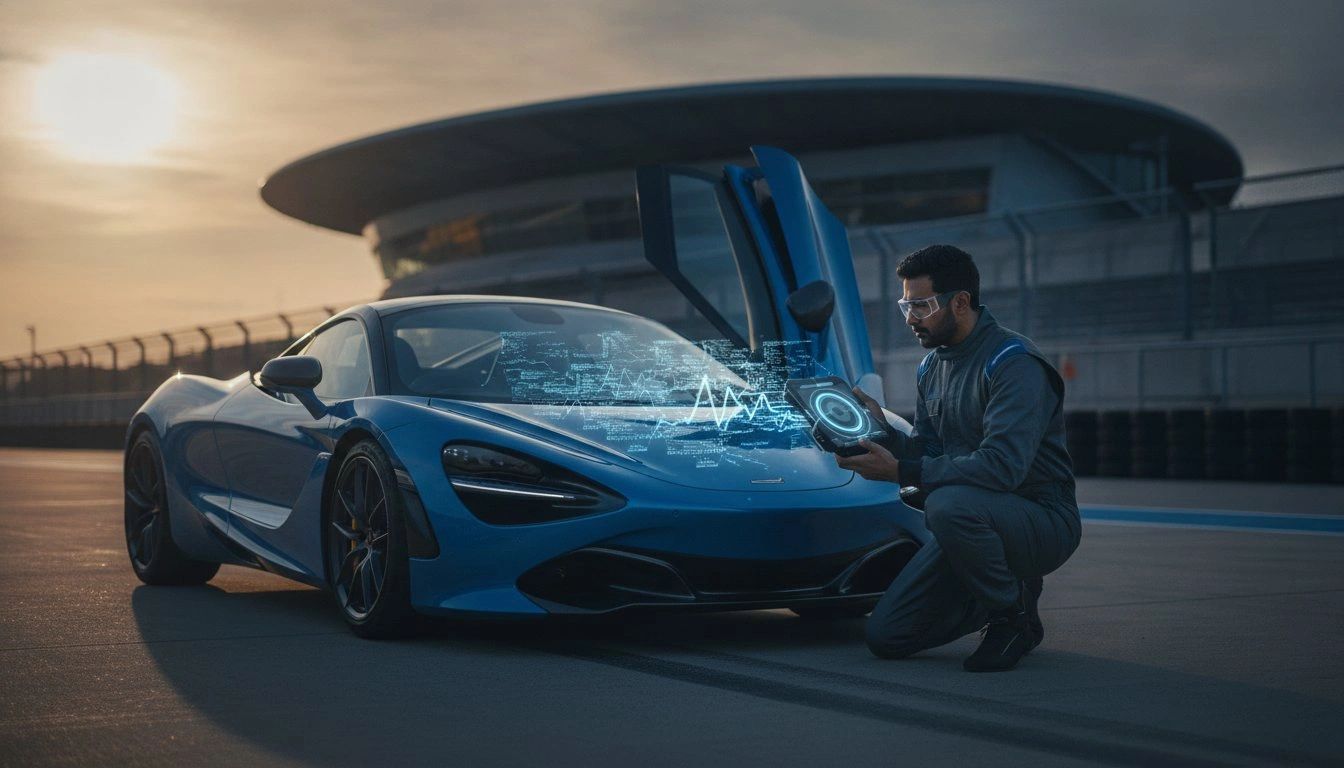
A single day of circuit testing at a professional track can cost upwards of £600 in entry fees before you even account for fuel and tyres. These sessions are vital for performance. However, they add significant mileage to your odometer that never occurred on a public road. We know it feels inconsistent to let testing miles clutter your daily commute history. Understanding the distinction in Track Day vs. Everyday Use: When a Mileage Stopper Actually Makes Sense requires a technical look at how modern ECUs handle data. You'll discover how to maintain a clean road-use history. This involves ensuring your car remains legally compliant during off-road testing. This guide examines CAN-bus integration and the specific scenarios where pausing your mileage is a legitimate tool.
Key Takeaways
- Learn to distinguish between extreme circuit wear and standard road use to maintain an accurate service history for your performance vehicle.
- Understand the technical role of CAN-bus integration in preventing communication errors between the dashboard and ECU during high-speed testing.
- Gain a clear framework for identifying authorised off-road and diagnostic scenarios where a mileage stopper makes sense.
- Ensure reliability for newer models by opting for professional fitting services that protect complex digital electronics and ensure discreet device placement.
The Operational Gap Between Circuit Testing and Road Use
Circuit testing pushes a vehicle to its mechanical limits. On a typical track day, an engine might sit at 7,000 RPM for extended periods. It endures heat cycles that simply don't happen during a standard commute. This creates a data gap. Road use is predictable. In contrast, circuit testing is a total outlier. We've seen owners struggle to explain why service sensors triggered early due to track stress when the dashboard shows low miles.
This distinction is vital for maintenance. It prevents the conflation of hard testing miles with standard road travel. Understanding when a mileage stopper makes sense starts with recognising that your car's computer treats every mile the same — it doesn't care if a mile was spent at full throttle or cruising.
Consider these differences:
- Track sessions involve sustained high-temperature fluids.
- Road use focuses on fuel efficiency and component longevity.
- Circuit testing accelerates brake wear exponentially.
Why Dyno Testing Requires Odometer Pausing
Static testing on rollers often confuses internal sensors. The wheels spin while the car remains stationary. This can trigger erroneous mileage jumps. Pausing the recording during tuning ensures your service interval remains accurate to actual physical road travel. It keeps your maintenance schedule consistent with manufacturer guidelines for 2026 models. This prevents the car from thinking it has travelled hundreds of miles while sitting in a garage.
The Impact of Non-Road Miles on Vehicle History
Testing miles are inherently hard miles. Mixing them with gentle motorway cruising leads to diagnostic confusion. While odometer fraud is a serious legal issue involving the intent to deceive buyers, using hardware for diagnostic separation during off-road testing is about data integrity. It helps you maintain a professional log of testing hours versus road miles for better diagnostic clarity.
Technical Integrity of CAN-Bus Mileage Blockers
Modern vehicles are digital networks. They utilise Controller Area Network (CAN) bus protocols to facilitate communication between the engine control unit and the instrument cluster. High-performance hardware must be robust — it must process data packets without latency. We have observed that inferior filters frequently trigger dashboard error codes or system lag during high-RPM runs.
This technical reliability is the cornerstone of knowing when a mileage stopper makes sense. Premium devices feature heat-resistant casings that withstand the extreme temperatures of a performance engine bay. Discreet operation ensures the hardware remains undetectable to diagnostic tools or vehicle trackers during testing.
Plug-and-Play Integration for Modern Electronics
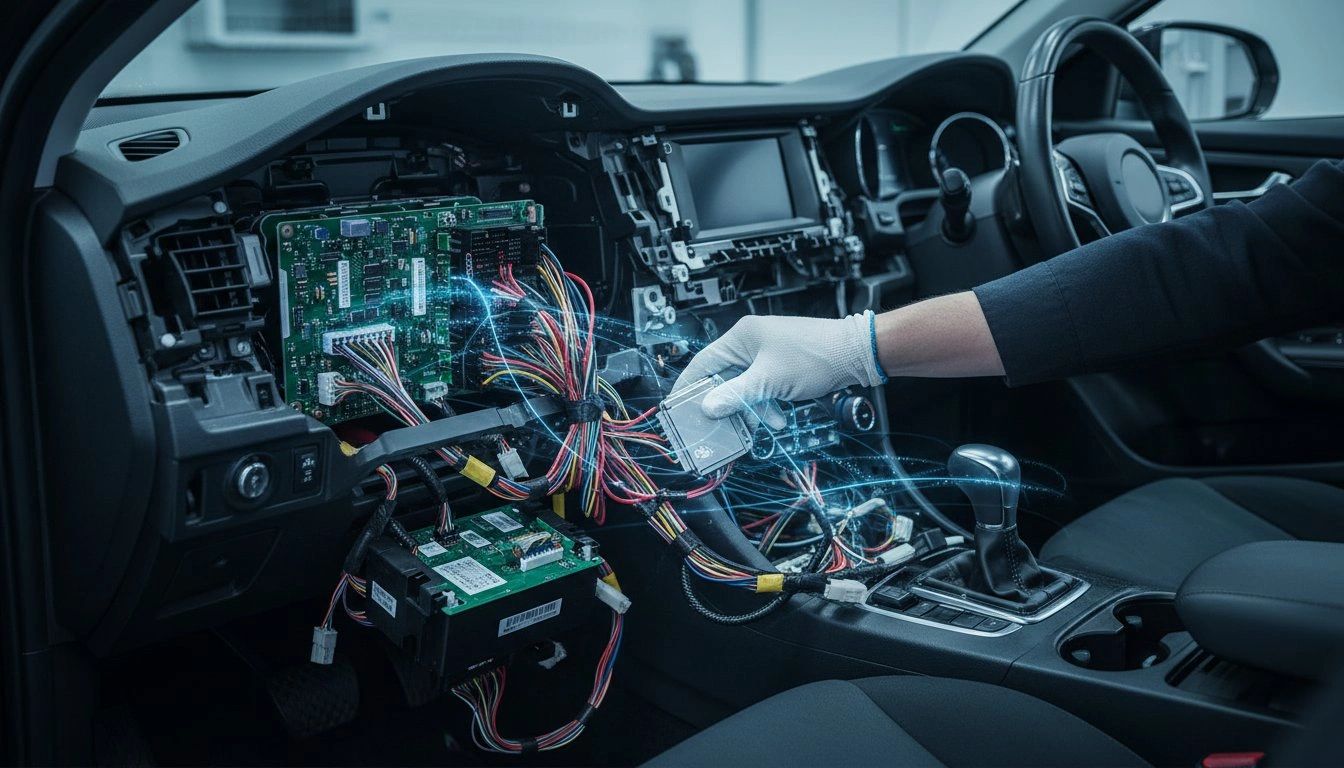
Maintaining the integrity of the factory wiring loom is a priority. Our devices utilise OEM-style connectors. They sit between the dashboard and the vehicle's main data trunk. No wire cutting is required. This ensures a secure connection that handles high-vibration environments like a race circuit without failing.
We've seen many owners appreciate this non-invasive approach for their 2026 model vehicles. The plug-and-play design means installation is reversible — remove the unit and there is no trace it was ever fitted.
Handling Hybrid and EV Data Streams
Electric drivetrains introduce a new layer of complexity. A mileage blocker for an EV must carefully manage the relationship between odometer data and battery health monitoring. Incorrect data handling can disrupt range estimations and skew charging logs.
Our hardware focuses on technical separation for testing. This prevents non-road testing data from skewing the primary service record of your EV — a particularly important consideration for owners who track their vehicles for diagnostic purposes.
Authorised Scenarios for Odometer Management
Identifying when a mileage stopper makes sense depends on the environment. Technical hardware serves a specific purpose in controlled settings. Beyond the circuit, we often see vehicles used in rugged off-road settings where standard road metrics are irrelevant. For example:
- Testing suspension travel in a quarry or conducting geological surveys on private land creates a high volume of engine hours without corresponding road travel.
- Long-term storage also requires intermittent battery maintenance runs. Running a high-performance engine while stationary for diagnostic sessions can skew service intervals if the odometer is not paused.
- Professional vehicle filming on private estates often involves repetitive low-speed passes that don't represent the car's true history.
This is a legitimate tool for owners who prioritise data accuracy.
Off-Road Capability and Heavy-Duty Testing
Agricultural use cases often involve low-speed, high-torque operations that don't align with motorway wear. Pausing the recording during these sessions ensures the primary log reflects actual road mileage. This prevents the car's computer from calculating service needs based on non-standard driving conditions. It keeps the maintenance cycle aligned with physical component wear rather than irrelevant data points.
Navigating Boundaries and Ethics
Transparency is vital. Regulations prohibit the misrepresentation of mileage to buyers, but using a stopper as a preventative tool is about maintaining diagnostic clarity. We recommend keeping a secondary log of testing hours. This ensures you can provide a full, honest account of the vehicle's history if you ever decide to sell. If you need specific advice on your testing setup, contact our technical team for guidance.
Ensuring Reliable Installation and Performance
Modern 2026 models often feature ultra-thin OLED screens or curved glass displays. These digital cockpits require extreme care during disassembly. A professional mileage blocker fitting ensures the device is correctly calibrated without damaging expensive trim pieces. This level of precision prevents the introduction of rattles or electronic interference.
We've seen owners attempt DIY installs on complex virtual cockpits only to find that a loose connector triggers a myriad of fault codes during high-vibration circuit runs.
Professional Installation vs. DIY Setup
For many standard models, a DIY approach is perfectly viable. If your car features a standard analogue or basic digital cluster, the plug-and-play connectors make the process straightforward. However, curved displays and integrated virtual cockpits often require specialised trim removal tools. Using the wrong prying tool can lead to permanent dashboard scarring. We recommend professional assistance for any vehicle with an integrated glass cockpit to preserve the factory finish.
Post-Installation Testing Protocols
Verification is the final step before heading to the track. Most high-grade blockers allow you to toggle modes using steering wheel buttons. Follow these steps:
- Start the engine and activate the device via the designated steering wheel shortcut.
- Drive a short distance on private land to confirm the odometer remains static.
- Check that the speedometer and fuel gauge continue to provide real-time data.
Confirming these functions ensures your testing data remains isolated without compromising vehicle safety.
Securing Your Vehicle Data for Future Testing
Distinguishing between high-intensity circuit sessions and daily commutes is essential for maintaining accurate maintenance logs. CAN-bus technology ensures your electronics remain stable during extreme runs while keeping your road history clean.
Our UK-engineered hardware supports the latest 2026 models and includes worldwide express shipping for immediate deployment. Whether you are prepping for a high-speed dyno session or a rugged off-road test, ensure your hardware is correctly calibrated. Find the correct mileage blocker for your vehicle testing needs and secure your vehicle's technical integrity today.
Frequently Asked Questions
Will a mileage blocker affect my car's speedometer while I am testing it on a track?
High-grade components ensure your speedometer continues to display real-time speed while the odometer is paused. This is a critical distinction for safety during circuit testing. Cheaper alternatives often cause the needle to drop to zero, which is dangerous at high speeds. Our hardware maintains data integrity across the CAN-bus network, ensuring you can monitor your performance accurately without the device interfering with vital dashboard readouts.
Can I install a mileage stopper myself on a modern supercar with a digital cockpit?
You can perform a DIY installation on many vehicles using our plug-and-play connectors. However, modern supercars with curved digital displays or virtual cockpits often require specialised trim removal tools to avoid dashboard damage. If your vehicle features complex internal electronics, we recommend our professional fitting service. This ensures the hardware is securely hidden and the factory finish of your interior stays pristine throughout the entire process.
Does the device stop recording miles in all of the vehicle's internal memory modules?
Our mileage stopper is designed to halt recording across all electronic control units simultaneously. This prevents data mismatches between the instrument cluster, engine control module, and transmission. A comprehensive block is necessary for diagnostic consistency, ensuring your vehicle's internal memory remains synchronised during authorised testing or off-road sessions on private land.
Is it possible to switch the blocker on and off while the vehicle is in motion?
Yes, you can activate or deactivate the device while driving using specific steering wheel button combinations. This allows for immediate transitions when moving from a public road onto a private circuit or dyno lab. The software is designed to be responsive and discreet — you don't need to stop the car or restart the engine to toggle the recording.
What happens to the odometer reading once the device is removed from the vehicle?
The odometer reading stays exactly where it was when the device was active. It won't jump forward to catch up with the miles covered during your testing session. Once you remove the hardware, the vehicle resumes recording mileage as normal from that specific point. This allows you to maintain a clear distinction between testing and road use for your records.
About the author
Pav TomaszeviczChief Editor, MileageBlocker.com
Pav is Chief Editor at MileageBlocker.com and works with the MileageBlocker Technical Team to publish practical information about vehicle compatibility, CAN/CAN-FD electronics, installation and MileageBlocker products.
View author profile →