
How to Install and Use a Mileage Blocker: a Step-by-step Guide
Introduction: Installing a Mileage Blocker in Your BMW
Introduction: Installing a Mileage Blocker in Your BMW
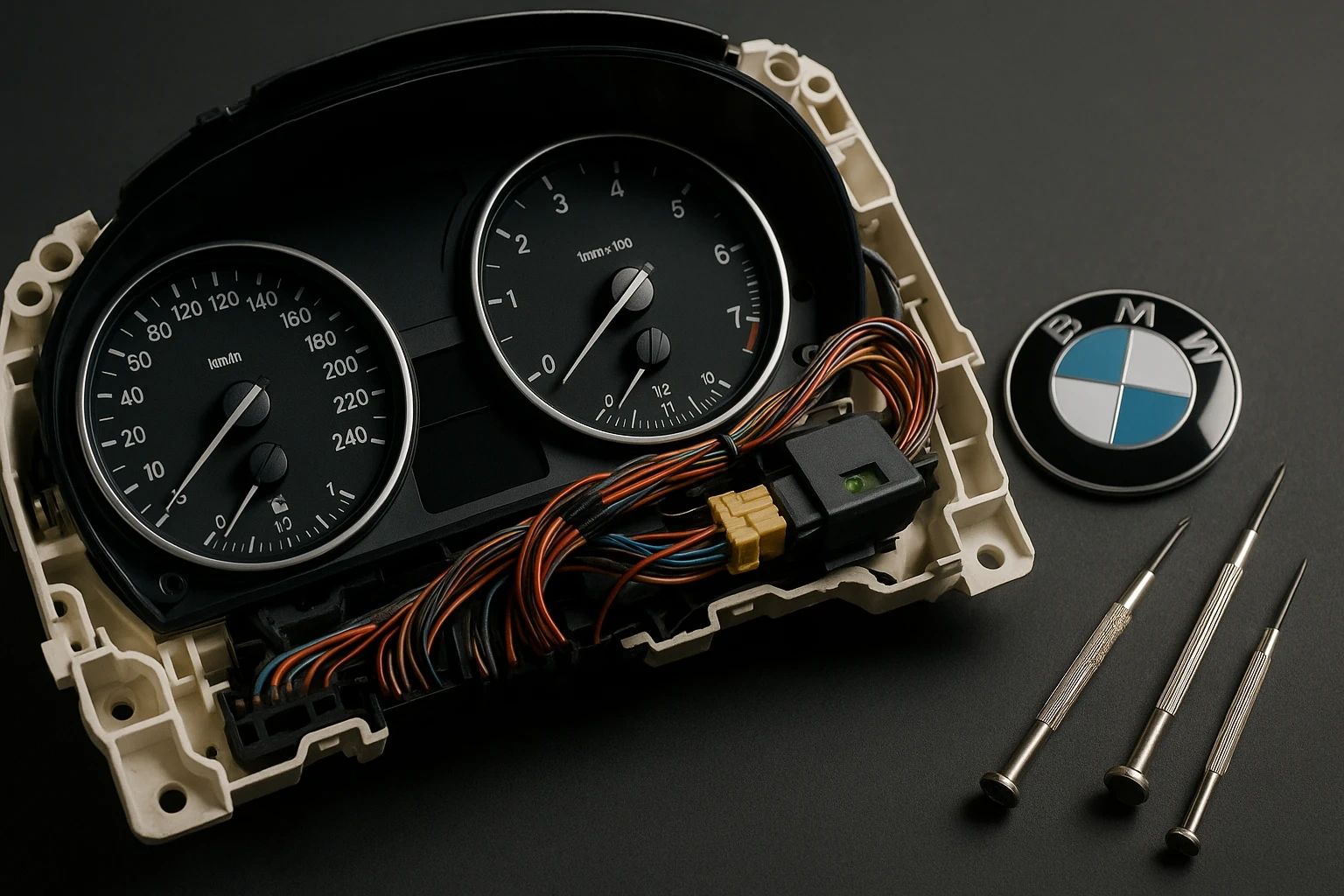
Picture this: you're conducting dyno testing on your BMW or pushing your vehicle through off-road trials—and you'd like to preserve your odometer readings during these sessions. That’s where a highly discreet mileage blocker comes into play, offering a plug-and-play solution that ensures your speedometer remains accurate while halting mileage recording. In practice, installers place the device either behind the instrument cluster or seamlessly integrated with the Body Computer (BC), enabling activation via the BC button on the steering column. In this detailed, professional guide, we'll walk you through the nuances of this process, highlighting how you can select the most suitable mode for your needs.
Why Precision Matters in Installation
The critical first step is accessing the back of the instrument cluster or locating the Body Computer connector, which can vary slightly depending on your BMW model. For instance, on many G‑series and F‑series models, installation is DIY-friendly—requiring no soldering or wire cutting—and uses original connectors to maintain the integrity of vehicle electronics. According to a product listing for BMW G‑series vehicles, the device installs quickly and doesn’t trigger warning lights on the dashboard, preserving the functionality of cruise control and driver assistance systems during operation Mileage Stopper
Seamless Activation via BC Button
Once installed, the device typically activates with a press-and-hold of the BC button. This method is intuitive for BMW drivers accustomed to using the BC stalk for cycling display information. In the case of BMW 3 Series G20/G80 models, for example, holding the BC button for approximately 5 seconds initiates the mileage blocker and allows toggling through multiple modes—signals like hazard lights flash to indicate mode changes. This operation ensures that you can control the device seamlessly, even while the vehicle is in motion.
Modes Designed for Different Testing Scenarios
The available modes vary by model, but a commonly offered set includes:
- Mode 1: Speedometer functions normally; mileage is filtered—recorded at a reduced rate (e.g., 30% of actual distance).
- Mode 2: Mileage recording is completely halted while speed displays normally.
- Mode 3: Both the speedometer and mileage are suppressed—speedometer may not function, and mileage is nearly fully blocked.
- Mode 4 (Off): The blocker is deactivated, and both mileage and speed operate as factory defaults.
These modes are particularly useful for testing: Mode 1 is ideal for simulating partial usage, Mode 2 for preserving mileage during dyno sessions, and Mode 3 for near-complete signal suppression. A good example comes from BMW 3 Series G‑series installations where the first mode is activated automatically after installation, with hazard flash confirmation upon mode cycling Mileage stopper. This ensures clarity and user confidence.
In this introductory part, we've laid the groundwork for understanding how a mileage blocker functions when installed behind the instrument cluster or connected to the Body Computer—operated via the BC button and featuring practical modes tailored for testing environments. Next, we'll dive into step-by-step installation, vehicle-specific differences, and real-world case examples to further empower your DIY efforts.
In this article emphasising on installation of mileage blocker in BMW vehicle, these where device is installed at the back of the instrument cluster and to the Body Computer. you can also mention operation by BC button and most commonly available modes, we’ll provide actionable insights from expert practices and product specifications to support your setup.
Location and Setup of the Mileage Blocker
Understanding the exact location where the mileage blocker is installed in a BMW vehicle is crucial. Typically, the device is strategically positioned behind the instrument cluster and connected to the Body Computer. This strategic placement ensures optimal functionality and minimal visibility, maintaining the aesthetics and integrity of your vehicle. By installing the device in these locations, the mileage blocker efficiently intercepts and manipulates the data transmitted between the engine control module and the odometer.
Installation Process and Considerations
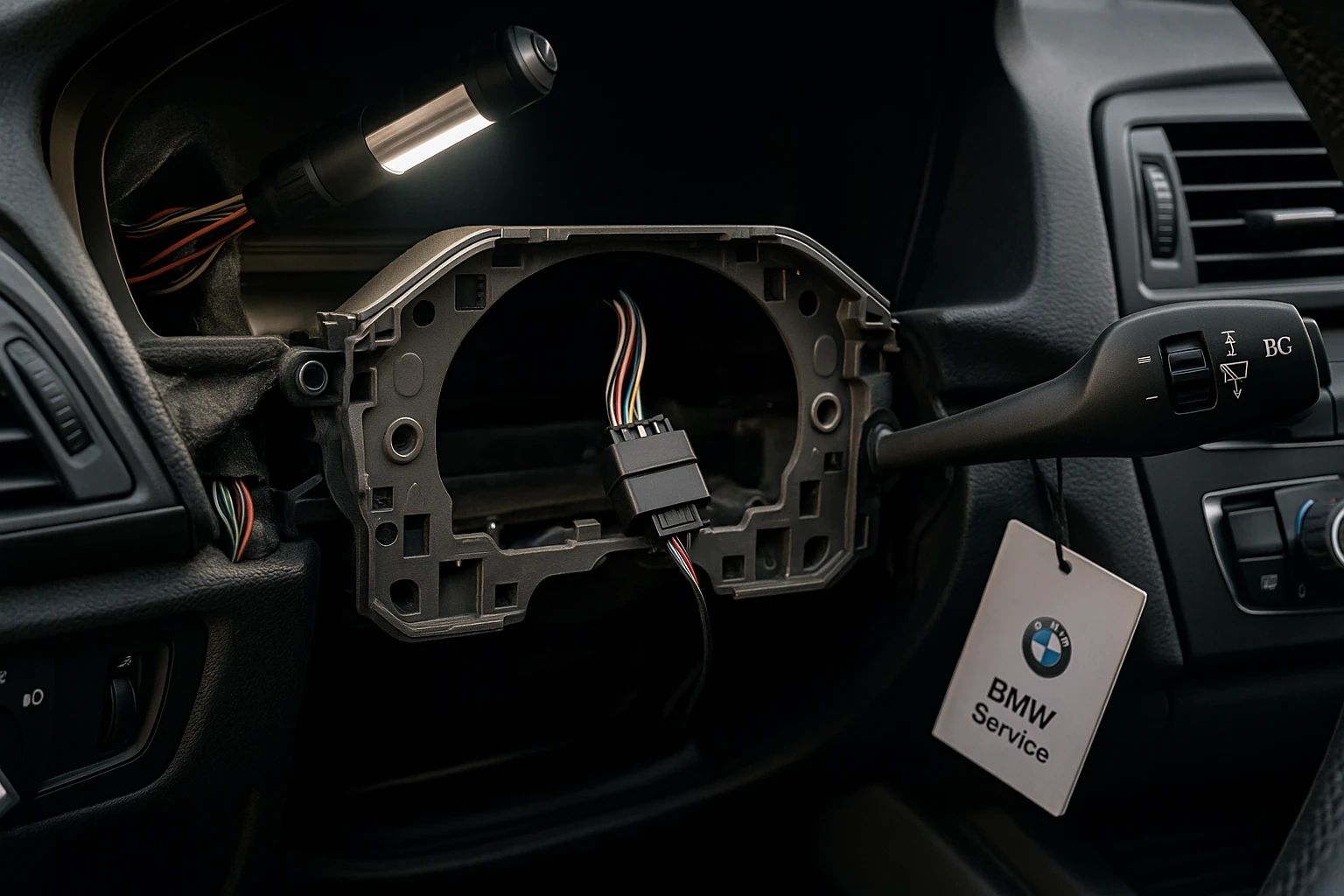
Installing a mileage blocker requires precision and attention to detail. Begin by carefully removing the instrument cluster. This step might require specific tools, such as a trim removal kit and screwdrivers, to avoid any damage to the dashboard. Once the cluster is removed, access the wiring harness that connects to the Body Computer. Here, the mileage blocker is integrated seamlessly. It's essential to follow the manufacturer’s guidelines to ensure the device is installed correctly and does not interfere with other systems.
Operation via the BC Button
A noteworthy feature of modern mileage blockers is their operation via the BC (Board Computer) button. This allows for easy toggling between different modes directly from the vehicle's interface. The integration of the mileage blocker with the BC button provides a user-friendly way to manage the device’s settings without additional external equipment.
Commonly Available Modes
The available modes on a mileage blocker for BMW vehicles often include standard mode, which allows the odometer to function normally, and a blocking mode, where data collection is paused. This dynamic functionality is particularly useful for testing and diagnostics without affecting your vehicle's recorded mileage. Users appreciate the versatility these modes offer, enabling a seamless transition between functions based on their needs.
Understanding these operational features can aid in deciding whether a mileage blocker is the right fit for your vehicle management strategy. According to a detailed report by Car Magazine, selecting the correct mileage blocker and comprehending its functionality significantly enhances user experience and system efficiency.
Understanding the Installation Process
Installing a mileage blocker in a BMW vehicle requires precision and expertise, as it needs to be integrated with specific components: the back of the instrument cluster and the Body Computer. These locations ensure that the device can effectively alter the vehicle's mileage readings. One pertinent example is the meticulous disassembly of the dashboard to access the instrument cluster. This process demands specialized tools and knowledge, as any mishandling can lead to damage or incorrect installation.
The choice to install the device at the back of the instrument cluster is strategic. It allows for seamless function as it directly interacts with the digital signals transmitted by the vehicle’s speedometer and odometer. Moreover, connecting to the Body Computer ensures that all vehicle data processed aligns with the alterations made by the device. According to a study by ScienceDirect, precise installation is crucial for maintaining the integrity of the vehicle's overall system post-modification.
Operating with the BC Button
Once installed, the mileage blocker can be managed via the BC button, a convenient feature located on the turn signal stalk in BMW vehicles. This button is commonly used to switch between different modes offered by the device, allowing for dynamic interaction with the vehicle's systems. For example, users can toggle between modes such as 'Standstill' and 'Normal Drive', enabling or disabling the mileage recording based on their requirements.
Most mileage blockers provide several modes to cater to different driving scenarios. 'Showroom Mode' is particularly popular among car dealerships as it prevents mileage accumulation during display periods. Meanwhile, 'Service Mode' allows for routine maintenance without affecting mileage records. By using devices like the Carcode Mileage Blockers, BMW owners can ensure compatibility and reliability. The operations by the BC button streamline the user experience, providing practical solutions for real-world needs.
It is essential to recognize the growing need for such devices in today's automotive market. An article emphasizing the installation of mileage blockers in BMW vehicles highlights how these tools not only focus on practical application but also address aesthetic integration within the vehicle's complex systems. With the BC button functionality, users gain a powerful yet discreet control over their vehicle's data management.
Installation Locations and Steps for BMW Vehicles
When considering the installation of a mileage blocker in a BMW vehicle, understanding the precise location and procedure is crucial for optimal functionality and discretion. The device is typically installed at the back of the instrument cluster and connected to the Body Computer, ensuring seamless integration with the vehicle's electronic systems. This strategic placement not only preserves the aesthetic integrity of the interior but also guarantees reliable operation.
Step-by-Step Installation Process
The initial step involves carefully removing the instrument cluster. This requires a set of specialized tools to avoid damaging the dashboard or related components. Once the cluster is exposed, the mileage blocker is connected to the vehicle's CAN bus system, specifically targeting the wiring that routes to the Body Computer. During this process, accurate alignment and secure connections are imperative to prevent any disruptions in data transmission.
Operation via the BC Button
The installation of a mileage blocker allows for enhanced data management, primarily operated through the BC (Board Computer) button. This feature provides users with the capability to toggle between various modes of operation seamlessly. By pressing the BC button, drivers can select different settings that either suspend or resume mileage recording. This operational tactic ensures that the vehicle's performance remains unaffected while offering the driver full control over data privacy.
Commonly Available Modes
Among the most popular settings available through these devices are normal mode, where mileage recording remains active, and standby mode, where recording is temporarily paused. Some advanced models offer additional features like adjustable speed parameters or custom recording intervals. Each of these modes serves specific needs, allowing users the flexibility to manage their vehicle data according to their unique requirements.
According to experts at Car Security Reviews, the proper use of these devices not only safeguards privacy but also maintains the value of the vehicle by controlling mileage discrepancies. It's essential for users to familiarize themselves with the operational nuances of the mileage blocker to fully leverage its capabilities.
By comprehensively understanding the installation and functionality of a mileage blocker, BMW owners can enhance their vehicle management effectively. Whether for privacy reasons or preserving vehicle value, these devices offer an advanced solution that aligns with the complexities of modern automotive engineering.
Conclusion
The installation of a mileage blocker in a BMW vehicle is an intricate process that demands precision and understanding of the car's electronic systems. Devices are typically installed at the back of the instrument cluster and connected to the Body Computer for optimal performance. Understanding how these components work together is crucial for effective installation and operation.
Operation via the BC button offers easy access to control the mileage blocker. This component is key for toggling between the most commonly available modes, such as the pause mode, which temporarily halts the recording of mileage during testing or transportation. Such functionality ensures that the device is seamlessly integrated into the vehicle's existing systems without affecting performance.
In real-world applications, professionals often turn to trusted resources for installation guidance and product reliability. To ensure a high-quality installation, consider using Carcode Mileage Blockers. Their comprehensive guides and robust products enhance vehicle performance while maintaining system integrity.
It's essential to stay informed about the latest advancements and technologies related to mileage blockers. The integration process benefits greatly from detailed knowledge of both hardware and software aspects. By investing in quality products and expert advice, vehicle owners can achieve precise results and prolong the lifespan of their BMW's systems.
Ultimately, the installation of a mileage blocker is not just about altering mileage statistics, but enhancing control and customization for BMW owners. Embracing these technologies responsibly can lead to improved accountability and maintenance of your vehicle. As you consider this modification, ensure thorough research and choose reputable providers to maximize benefits and minimize complications.
For those interested in pursuing these enhancements, it's advisable to consult directly with specialists and utilize high-quality resources such as Carcode Mileage Blockers.
About the author
Pav TomaszeviczChief Editor, MileageBlocker.com
Pav is Chief Editor at MileageBlocker.com and works with the MileageBlocker Technical Team to publish practical information about vehicle compatibility, CAN/CAN-FD electronics, installation and MileageBlocker products.
View author profile →