
Is Mileage Correction Risky? Real Dangers Explained
Is Mileage Correction Risky? Learn when a correction is justified, how poor records or electronics work can create risks, and why clear disclosure matters.
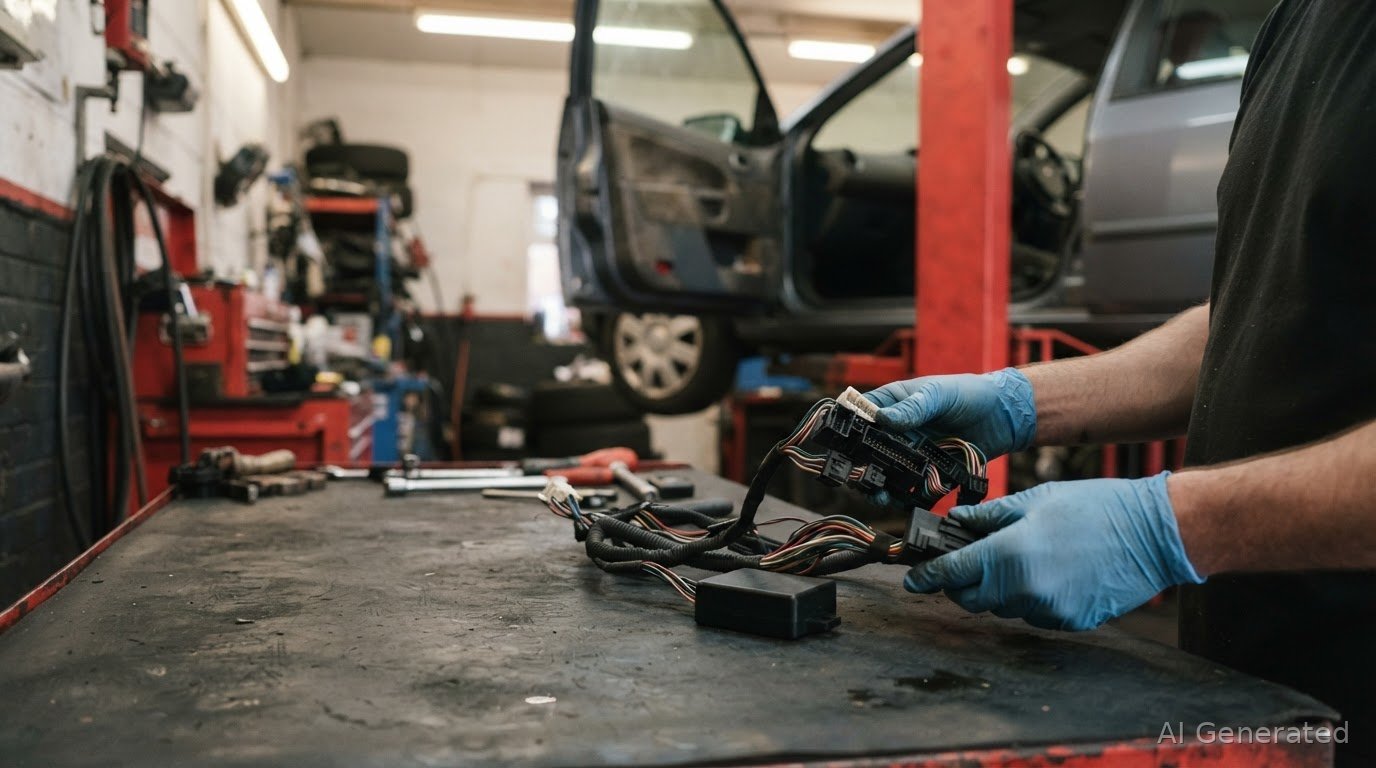
Mileage correction is not automatically risky, but an undocumented or misleading change can cause serious problems. The answer to “Is Mileage Correction Risky?” depends on why the reading is changed, how the work is done and whether the vehicle’s mileage history remains clear. Correcting a reading after an instrument-cluster or system failure is different from misrepresenting how far a car has travelled.
Caution is reasonable: odometer data forms part of a vehicle’s history, and work on its electronics can affect the displayed reading. Keep the reason for a correction and the supporting records together so you can explain the change later. If the car is sold, disclose the change rather than presenting the reading as the vehicle’s original mileage.
This article explains when a correction may be justified, which records can support it and how to describe the change transparently. It also covers potential electronic risks associated with correction tools, helping you distinguish between correcting a faulty display and creating a misleading history.
Key Takeaways
- Keep evidence of the original mileage and the reason for any necessary correction, including relevant MOT and service records.
- Disclose a corrected reading when selling the vehicle; a clear history helps distinguish repair work from misleading presentation.
- After an instrument-cluster or system failure, the replacement reading should be supported by records that establish the vehicle’s mileage history.
- Electronic odometer work can affect vehicle systems if handled improperly. For vehicle testing or off-road use, MileageBlocker.com offers a Mileage Blocker Device and fitting service.
1. Documentation for legitimate corrections
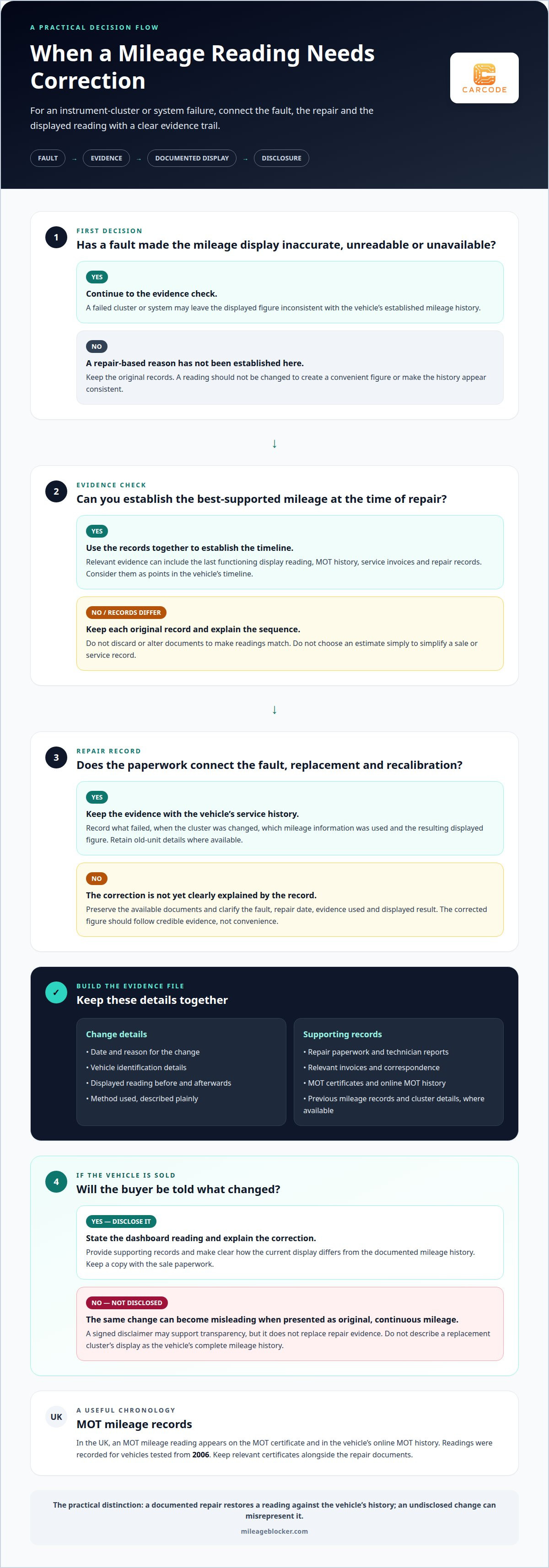
A mileage change needs a traceable reason, a record of the work and evidence of the vehicle’s actual history. Keep these documents with the vehicle records instead of relying on a later recollection. For example, if a failed instrument cluster is replaced, retain the repair paperwork and any available record of the mileage before removal. This connects the fault, replacement and corrected display.
Start by recording the date, reason for the change, displayed reading before the work and reading afterwards. Add the vehicle identification details and describe the method in plain language. Include relevant invoices, technician reports or correspondence. If a document records a different reading, explain its context instead of changing or discarding it. A dated, consistent file is more useful than unexplained figures.
MOT history can provide an independent chronology. According to the UK Government, an MOT mileage reading appears on the MOT certificate and in the vehicle’s online MOT history. In the UK, readings were recorded for vehicles tested from 2006. Keep the relevant certificates and history records alongside the repair documents. A sequence of recorded readings can help show how the vehicle’s history relates to a later correction.
If you sell the car, provide written disclosure stating the displayed reading and explaining that it was corrected. A signed disclaimer can support transparency, but it does not replace the repair evidence. Keep a copy with the sale paperwork and provide the buyer with the supporting records. Make clear how the current display differs from the documented mileage history, without suggesting the new figure reflects uninterrupted original recording.
Consistency matters. If a service invoice, MOT certificate and repair record show different figures, preserve each original record and explain the sequence. Do not create a new document to make the figures appear consistent. A documented reason, method, date and evidence trail make a necessary correction easier to understand and assess later.
2. Ethical considerations and resale transparency
Is mileage correction risky? When a changed reading is presented at resale as the car’s original, continuous mileage, the risk increases. Explain a repair-related correction to the buyer and provide evidence of why the figure changed. Describing a replacement cluster’s display as the vehicle’s complete mileage history may mislead the buyer.
How much does legitimate odometer correction cost in the UK? There is no single price for every vehicle. The cost depends on the fault, the vehicle’s electronic system and the work needed to restore an accurate display.
In practical terms, is mileage correction risky when a seller discloses the change? Disclosure reduces confusion, but the wording and records still need to match. An unexplained discrepancy can raise questions about servicing, maintenance intervals and vehicle condition. Changed mileage information may also complicate warranty matters or an insurance claim, especially when those records rely on distance travelled.
Consider a car whose dashboard reading differs from an earlier service invoice. If the seller explains that the cluster was replaced and provides supporting repair details, the figures have context. Describing the lower display as the car’s original mileage would make the same change misleading. The ethical distinction is how the reading is represented, not simply whether it changed.
Keep the sale paperwork clear: state the dashboard reading, explain the change and distinguish it from earlier recorded mileage. Don’t alter old invoices or certificates to make the history appear consistent. For a separate use case, read the MileageBlocker FAQ about devices intended for vehicle testing or off-road tracks, not disguising a car’s history.
3. Legitimate mileage corrections after instrument-cluster or system failure
A failed instrument cluster can make the mileage display inaccurate, unreadable or unavailable. After replacement, its displayed figure may not match the vehicle’s established mileage history. Recalibration in this situation can restore a reading that reflects the vehicle’s history rather than the replacement unit’s previous use. The purpose is accuracy, not reducing the distance the vehicle has travelled.
Before recalibration, establish the best-supported mileage at the time of repair. Relevant evidence may include the last functioning display reading, MOT history, service invoices and repair records. Consider these sources together as points in the vehicle’s timeline, rather than treating them as interchangeable. For example, a service invoice dated after the last MOT may show a later reading and help establish the sequence.
A sound process links the fault, replacement and recalibration. Record what failed, when the cluster was changed, what mileage information was used and the resulting displayed figure. If an electrical fault caused the display to malfunction, the repair record should identify it and explain that the replacement cluster was set to match the vehicle’s history. Keep the old unit’s details and supporting records where available.
Restoring a reading is different from choosing a convenient one. A replacement cluster that starts at a different figure does not change the distance the car has already travelled. The corrected display should follow credible evidence, not an estimate selected to simplify a sale or service record. If the available records differ, retain them and explain how the final figure was established.
After recalibration, keep the repair paperwork with the vehicle’s service history. The records should state that the instrument cluster was replaced and its displayed mileage adjusted to reflect the vehicle’s documented history. This gives a future buyer or technician context for the change and distinguishes the replacement unit’s former reading from the vehicle’s accumulated mileage.
4. Potential damage to vehicle electronics
Odometer correction tools can read and write mileage data in an ECU or instrument panel. The data path varies with the vehicle’s electronic design, so methods are not interchangeable across models. An unsuitable tool or incorrect procedure can damage the ECU or odometer system. A blank display, incorrect reading or electronic malfunction may then require diagnosis and repair. This is separate from the ethical question of how a changed reading is represented.
Buyers can use an MOT history check to review recorded mileage entries and dates. According to the UK Government, mileage readings appear on MOT certificates and in a vehicle’s online MOT history. Compare the sequence with service documents and the displayed odometer. A sudden decrease or unexplained gap warrants investigation.
Look for inconsistencies rather than treating one clue as proof. Compare the dashboard reading with dated MOT records, service invoices and other available vehicle records. Wear on the steering wheel, pedals, seats or brake components may seem inconsistent with a very low displayed mileage. These signs can have other explanations, so assess them alongside the documents and the vehicle’s condition.
A professional vehicle inspection can assess whether the displayed mileage fits the car’s records, condition and available electronic information. An inspector may compare the dashboard figure with readings available from other vehicle systems. Checks vary by vehicle, and no single finding establishes the full mileage history. Provide MOT and service documents so discrepancies can be considered in context.
For electronics, the risk depends on the vehicle and the procedure used. A professional should identify the vehicle’s system before attempting any data change, then assess the result rather than assuming every model behaves alike. For more information about device usage during vehicle testing or on off-road tracks, consult the comprehensive guides and documentation available at MileageBlocker.com.
MileageBlocker.com
MileageBlocker.com sells Mileage Blocker Devices and provides a Mileage Blocker Fitting Service. Carcode mileage blockers are sold for automotive testing, tuning and diagnostic purposes. They are intended for use on private property, rolling roads and controlled test environments only.
The product is distinct from how it is used. Misrepresenting a vehicle’s mileage when selling or advertising it may have legal consequences depending on the jurisdiction and circumstances. Carcode Ltd accepts no liability for misuse. A mileage blocker is a separate product, not a tool for correcting an inaccurate odometer after a fault.
Contact MileageBlocker.com for assistance with a mileage blocker intended for an appropriate testing or diagnostic purpose.
Choose the right next step
Is mileage correction risky? The useful question now is what outcome you actually need. If a vehicle’s odometer display is inaccurate, treat that as a repair issue and keep its history clear. If your work involves controlled vehicle testing or off-road use, a mileage-blocking device serves a different purpose. Keeping those needs separate helps prevent the wrong tool being used for the job.
Before proceeding, define how the vehicle will be used and what result you need. This helps you decide whether mileage-blocking equipment is relevant or whether the issue instead concerns an odometer fault or vehicle records. MileageBlocker.com’s products are intended for vehicle testing or off-road tracks, not for concealing mileage from a buyer.
If you need information about the appropriate use of a Mileage Blocker Device or fitting service, contact MileageBlocker.com for assistance. A clear purpose is the best starting point for making a responsible decision.
Frequently Asked Questions
Is mileage correction legal in the UK?
The legal position depends on the circumstances and how a changed reading is represented. Correcting a reading after a repair is different from using a mileage blocker to misrepresent a car’s mileage when selling or advertising it. Misrepresenting a car’s mileage may have legal consequences. This does not mean every correction made after an odometer or instrument-cluster fault is illegal.
What are the UK rules for changing or correcting an odometer reading?
For a repair-related change, document why the display changed and do not present the new figure as an uninterrupted original reading. If the car is sold, describe the discrepancy accurately and retain the supporting records. A mileage blocker is a separate product for controlled testing or off-road use, not for changing a car’s history for sale.
When is mileage correction legitimate, such as after an instrument-cluster replacement?
A correction may be appropriate when a failed instrument cluster is replaced and the new display does not reflect the car’s established mileage. For example, the replacement unit’s previous reading may differ from the vehicle’s records. Repair documentation should explain the replacement and the basis for setting the display, giving the change a traceable context.
What are the risks of inaccurate mileage records when buying or selling a car?
Inaccurate records can make it harder to assess a car’s service history, condition and maintenance needs. A buyer may misunderstand the vehicle if the dashboard reading conflicts with dated records. Sellers may face questions if their description does not match the paperwork. Consider mileage alongside the vehicle’s condition and available documents, rather than treating one reading as conclusive.
Can mileage discrepancies affect a car’s value, insurance or warranty in the UK?
A discrepancy can complicate a valuation or discussions about insurance and warranty matters, especially when distance travelled is relevant. Conflicting readings, for example, may make a service or claim history harder to interpret. Keep the sequence of readings and repair details available when discussing the vehicle. The impact depends on the specific records and circumstances.
What records and evidence should be kept after a legitimate mileage correction?
Keep the repair invoice, details of the replaced component, technician notes and records used to establish the vehicle’s mileage. Record the readings before and after the work, and retain any written explanation provided to a later owner. Keep original MOT certificates and service documents unchanged. Together, these materials provide a useful timeline if the display is questioned later.
Article by
Pav Tomaszevicz
Pav Tomaszevicz is Chief Editor at MileageBlocker.com and works closely with the Carcode technical team on content covering vehicle electronics, CAN and CAN-FD systems, mileage blocker compatibility, installation and product development. His articles draw on practical product development, technical support, installation experience and ongoing research into modern vehicle electronics. Content may use AI-assisted drafting and research, but technical information is reviewed against Carcode's product knowledge and real-world experience before publication
About the author
MileageBlocker TeamThe MileageBlocker Technical Team covers vehicle electronics, CAN and CAN-FD systems, mileage blocker compatibility, installation and product developments.
View author profile →