Engine hours – do they matter compared to mileage?
There are two essential terms you should know about when purchasing a car – engine hours and mileage – but what do these mean? Engine hours, al...
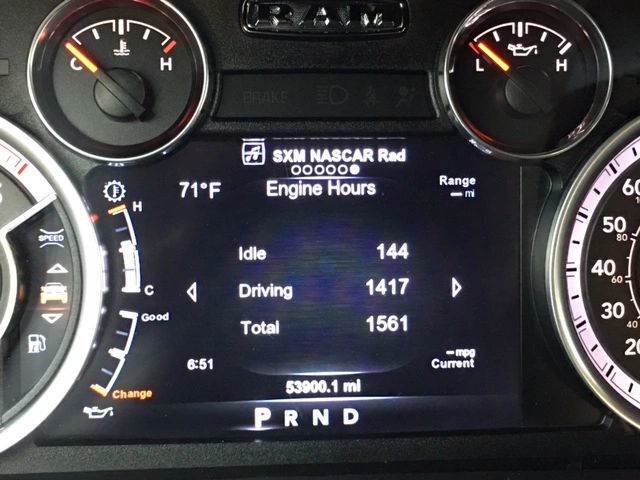
There are two essential terms you should know about when purchasing a car – engine hours and mileage – but what do these mean? Engine hours, also called engine time, refers to the amount of time an engine has been running, while miles per gallon measure how much fuel the vehicle uses over time. Understanding these terms will allow you to make an informed decision when buying a car.
Continue reading to find out more about engine hours, how to calculate them, and how they compare to miles per gallon.
What are engine hours?
There are two types of engine hours. The first one is the continuous engine running hours, the total number of minutes your car has been running while the engine is on. The second type of engine hour is the cumulative idling time when your car's engine has been turned on but not in use.
Engine hours will depend on how you drive and whether or not you have an automatic transmission. It also depends on what kind of engine you have, how old it is, and the make and model of your vehicle. Suppose you have a newer vehicle with an automatic transmission.
In that case, these numbers will be low if you run it continuously for less than 20-30 minutes without letting it cool down, rest between drives, or idle for extended periods. On the other hand, if you drive a standard manual transmission vehicle where the driver constantly changes gears (either up or down), these numbers will be higher because it requires more work from your engine and increases its wear rate over time.
How do engine hours affect a car's value?
The number of engine hours on a car can significantly affect its value. The more engine hours the car has, the less it is worth. Engine hours are measured and express how many miles an engine has run before needing service or repairs. Engine hours are one way to measure an engine's wear and tear.
Cars with high engine hour counts are prone to problems due to wear and tear, but this is only sometimes true. Generally speaking, newer engines with low miles will command higher prices than older ones with high mileage because they're likely better cared for and well-maintained by their owners; cars in bad shape or with poorly maintained engines may only be able to travel far if they break down.
Regarding vehicle reliability and performance, both engine hours affect what happens inside the engine. Continuous engine hours can cause carbon build-up inside the cylinders, which may lead to premature failure and poor performance over time. Cumulative idling times can also cause carbon build-up by keeping the catalytic converter hot, so it doesn't perform as well and increases emissions. In short: Engine hours aren't all created equal; what matters most is their effect on how well your vehicle performs and how much fuel it consumes.
As a general rule of thumb, avoid purchasing a vehicle that's been in operation for more than 5 years if you want maximum reliability. It's important to note that there are only a few engine hours if you don't drive your car very often.
That being said, excessive heat from running too long at high RPMs can decrease longevity. Consider an engine replacement after 100K miles if the car has seen frequent driving and light use--not an unreasonable expectation for drivers who maintain their vehicles according to manufacturer specifications.
Should you pay attention to engine hours or mileage?
With the long-term life expectancy of a car in mind, you may be wondering whether or not engine hours or miles traveled are more important when choosing a car. It's tough to say which one is more important. For example, if you have a vehicle with high miles but well taken care of and maintained (low engine hours), that car might be in better shape than another used vehicle with low miles but high engine hours.
The best way to gauge how much you should pay attention to engine hours versus miles is by your budget and your vehicle needs. If you're looking for an inexpensive used vehicle that will last a few years, it might make sense to go with the cheaper option, even if it has higher engine hour numbers. But engine hours are less important if you want something that will last longer and cost less over time because it has lower maintenance costs. You'll want to ensure you get the car checked out before purchasing it, so there aren't any hidden costs later on.
Key Takeaways
Engines have a lifespan, and the general rule is that you should replace them at or before 100,000 miles. If you're looking for an easy way to figure out when it's time for engine replacement, look for these signs:
- Engine knocks or knocks louder than usual
- Engine vibrates abnormally
- Engine idles rough or misfires when driving at low speed
FAQs
How often should I check my engine hours/mileage?
The frequency of your engine hour inspections and oil changes varies based on the type of vehicle. Most car and light truck engines recommend a 10,000-mile interval, while medium and heavy-duty diesel engines recommend a 25,000-mile interval. A good rule of thumb is to check your engine hours every 5,000 miles or every year for diesel engines.
You should also have oil changes at least twice a year to maintain peak performance. If you need to figure out how long your engine has been running, you can look at the odometer reading for an estimate. Many drivers use the 10% rule as a benchmark: if the odometer reads 10% higher than it did when it was last inspected, it's time for an inspection.
What are some factors that can affect engine hour/mileage?
The engine hours and mileage of a vehicle have a lot of factors that can affect them. These factors include, but are not limited to: the type of vehicle, fuel quality, driving habits, the amount of time the vehicle is turned off (e.g., for maintenance), and even where the car is driven (e.g., mountainous roads). In addition to these factors, it's important to remember that some vehicles will have higher engine hour or mileage limits than others.
Is it better to have more or fewer engine hours?
The question of whether you should have more engine hours or fewer is a difficult one. If an engine has 10,000 hrs on it and you think it will only last another 10,000 hrs before needing to be replaced then that would be good.
On the other hand if an engine has only 2,500 hrs on it and you think it will last another 50,000 hrs before needing to be replaced then that would not be as good. The decision comes down to how long the engine will last and how many hours are on the engine currently.
How to calculate engine hour?
To calculate engine hours, divide the total number of operating hours by the number of engine operating hours. To calculate engine operating hours, divide the total number of running and non-running engine operations by the total number of engine operations.
For example, if a machine has 859 running and 315 non-running operations out of 999 total operations, then:
Running Engine Hours = 859/999 = 0.863
Non-Running Engine Hours = 315/999 = 0.316
How to calculate mileage?
You should calculate your vehicle's fuel efficiency based on miles per gallon, which is calculated by dividing the number of miles you drive with the number of gallons of fuel you use.
For instance, if you drove 15 miles and used 2 gallons of gas, your MPG would be 15/2=7.5.
You can find your average MPG in a couple ways.
If you want to keep track of it every day, record it each time before you start driving or fill up at the gas station. Or, for a more accurate calculation over a period of time, divide your total miles driven by the total gallons of fuel that were consumed during that period.
How to convert engine hours into miles?
1. An engine hour is the equivalent of running your engine for one hour.
2. One mile equals 5280 feet, so one foot equals 3.3 engine hours (1/5280).
3. Converting from engine hours to miles:
a) Multiply the number of engine hours by 3.3 to get total distance in miles.
b) Divide by 60 minutes per hour to find out how many minutes it would take to cover that distance at 60 mph.
c) Divide the result by 3600 seconds per hour to find out how many seconds it would take at 60 mph.
About the author
Pav TomaszeviczChief Editor, MileageBlocker.com
Pav is Chief Editor at MileageBlocker.com and works with the MileageBlocker Technical Team to publish practical information about vehicle compatibility, CAN/CAN-FD electronics, installation and MileageBlocker products.
View author profile →